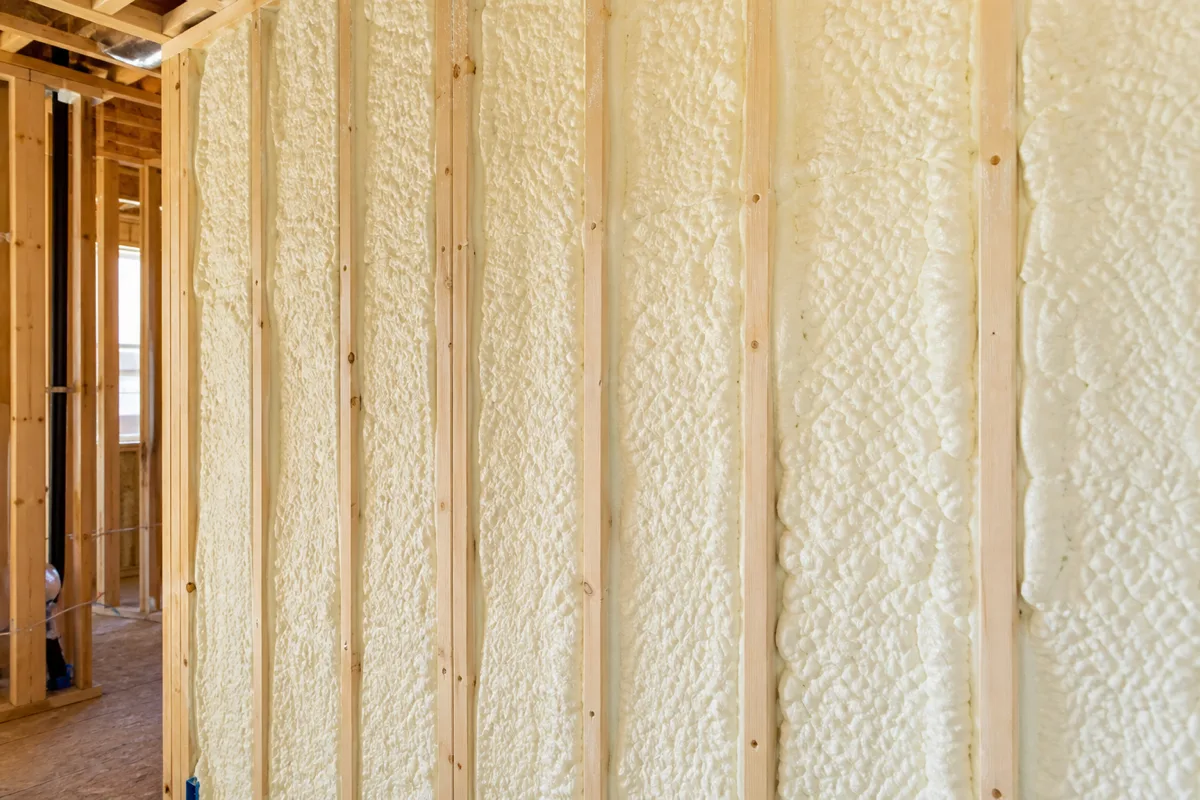
What affects this project
Freeze-thaw cycles, winter inversions, rim-joist leaks, crawl-space moisture, and large unconditioned shops can all change the foam conversation. The contractor needs to know whether the goal is comfort, air sealing, condensation control, sound reduction, code performance, or making a garage, shop, or crawl space more usable.
Details to gather before requesting pricing
Useful details include square footage, framing depth, surface material, existing insulation, access constraints, electrical or mechanical items in the work area, moisture history, photos, and whether other trades are scheduled.
Heber City building notes
Heber City and the surrounding valley keep adding homes, shops, detached garages, rural properties, and remodel projects that need insulation decisions early. That makes clear scheduling, clean prep, and the right foam recommendation more important than a generic insulation quote.
Detached buildings are a big part of Wasatch County
Pole barns, detached shops, and multi-car garages are especially common across Wasatch County's larger rural and semi-rural lots in Daniel, Wallsburg, and the outskirts of Heber City and Midway, where property owners often build a dedicated shop for equipment, toys, hobbies, or a home business alongside the main house. These buildings range from simple pole-frame structures to fully finished heated shops, and the right insulation plan depends heavily on how the space will actually be used.
Heated shops vs. seasonal storage
A shop that will be heated and used as a workspace year-round needs a different insulation approach than a barn used mainly for seasonal equipment or toy storage. Full-time heated shops generally benefit from the same air-sealing and R-value planning as a home, while buildings that see occasional use may prioritize moisture and condensation control over maximum thermal performance. Describing planned use, heating equipment, and how often the building will be occupied helps a contractor recommend the right foam type and coverage.
Barndominiums and mixed-use buildings
Barndominiums and other mixed shop-and-living buildings have become more common around Heber Valley new construction, combining a working shop with an attached or upstairs living space. These hybrid buildings often need different insulation strategies in the living quarters versus the shop bay, since comfort, code, and moisture requirements differ between the two uses within the same structure.
Garages and multi-vehicle storage
Attached and detached garages are a common request across Heber City neighborhoods, particularly for homeowners looking to make a garage more usable as a workspace or to reduce temperature swings that affect a vehicle, tools, or an adjacent living space. Insulating a garage often involves the walls, ceiling, and sometimes the overhead door area, depending on how the space will be used.
Planning around framing and roof style
Pole barns, post-frame shops, and stick-built garages each have different framing patterns that affect how spray foam is applied, whether that means insulating between purlins on a pole barn roof, standard rafters on a garage, or a metal roof deck on a hybrid structure. Sharing photos of the framing and roof style, along with the building's approximate dimensions, helps a contractor recommend the right foam type and estimate coverage before a visit.
Insulating in phases
Some property owners insulate a pole barn or shop in phases, starting with the roof or a single bay before expanding to the full building as budget allows. Describing a phased approach in a quote request helps a contractor plan foam type and coverage in a way that works well with future additions to the same building.
Getting started
A quote request for a barn, shop, or garage is strongest when it includes the building's approximate dimensions, framing type, planned use, and whether it will be heated, along with photos of the interior if available.