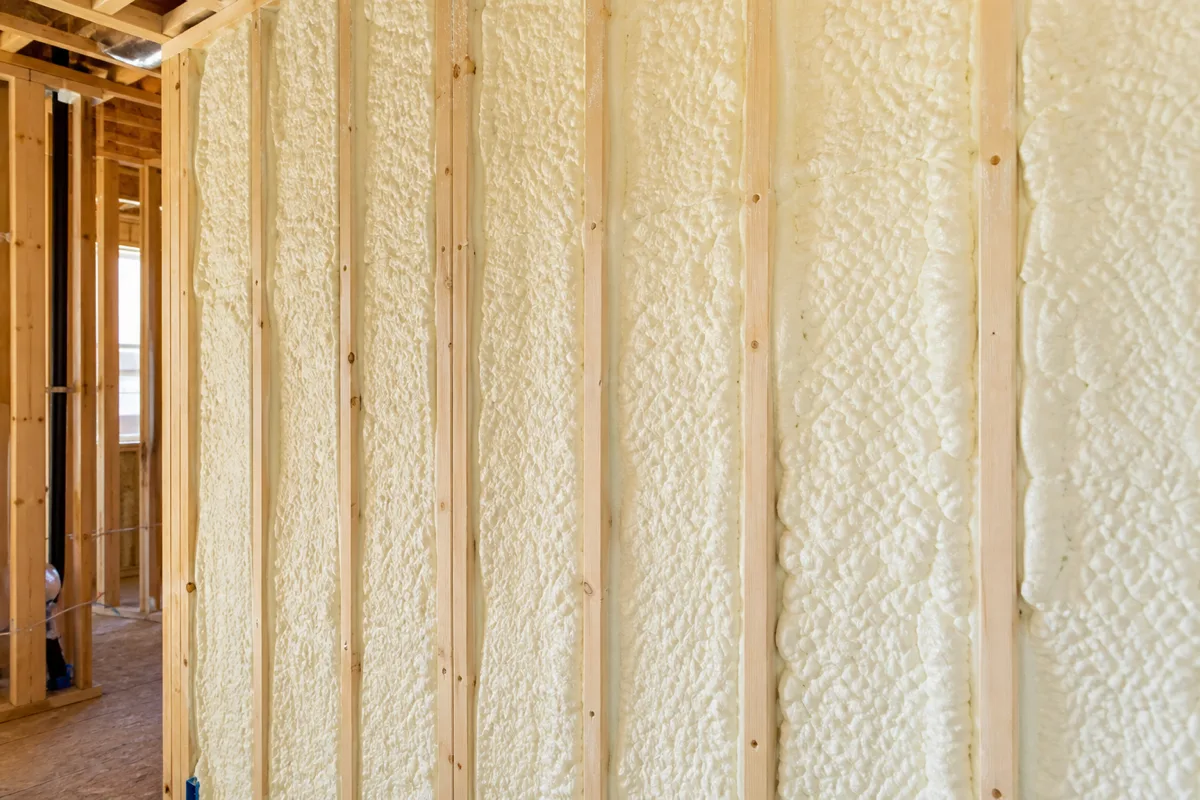
What affects this project
Freeze-thaw cycles, winter inversions, rim-joist leaks, crawl-space moisture, and large unconditioned shops can all change the foam conversation. The contractor needs to know whether the goal is comfort, air sealing, condensation control, sound reduction, code performance, or making a garage, shop, or crawl space more usable.
Details to gather before requesting pricing
Useful details include square footage, framing depth, surface material, existing insulation, access constraints, electrical or mechanical items in the work area, moisture history, photos, and whether other trades are scheduled.
Heber City building notes
Heber City and the surrounding valley keep adding homes, shops, detached garages, rural properties, and remodel projects that need insulation decisions early. That makes clear scheduling, clean prep, and the right foam recommendation more important than a generic insulation quote.
Metal buildings and Heber Valley temperature swings
Metal buildings are common across Wasatch County, from equipment barns and agricultural buildings to modern shops and storage structures around Heber City, Midway, and Daniel. Bare metal panels conduct heat and cold quickly, so these buildings tend to swing hard between hot midday sun and cold overnight temperatures, especially at Heber City's elevation. That swing drives both comfort problems and condensation, since warm interior air meeting a cold metal surface is a common recipe for moisture buildup.
Condensation control in shops and equipment buildings
Condensation dripping from purlins and panels is one of the most common complaints in uninsulated or under-insulated metal buildings, and it can damage stored equipment, vehicles, and inventory over time. Spray foam applied directly to the interior of the panels creates a continuous air and vapor barrier that reduces the temperature differential driving condensation. See the Metal Building Spray Foam Condensation page for a closer look at why this happens.
New buildings and retrofits
New metal buildings going up around the growing Heber Valley can be insulated during construction before the interior is finished out, while older metal buildings often need an inspection to check for existing condensation staining, rust, or insulation that has fallen away from the panels before a new plan is set.
Equipment, vehicles, and stored goods
Many metal buildings around Wasatch County store equipment, vehicles, hay, feed, or business inventory that can be damaged by temperature extremes or condensation dripping from an uninsulated ceiling. Foam insulation applied to the roof deck and walls helps stabilize interior temperatures and keeps moisture from forming directly on stored items, which matters as much for a working ranch building as it does for a heated shop.
Working around building use during installation
Because many metal buildings are in active use for storage, equipment, or work, scheduling foam application around what is inside the building and how it needs to be accessed during the project is worth discussing up front. A clear description of what the building is used for day to day, along with photos of the interior framing and panel condition, helps a contractor plan the visit efficiently.
Insulation depth and R-value goals
Metal building insulation projects range from a basic condensation-control application to a full high-R assembly meant to make the space comfortable for extended work. Clarifying whether the goal is simply reducing condensation and drips or achieving a specific comfort or energy target helps determine the right foam thickness and budget for a Heber City shop or storage building.
Sound and noise considerations
Beyond temperature and condensation control, spray foam also reduces the echo and noise transfer common in bare metal buildings, which can matter for shops used as workspaces or buildings located close to a home or neighboring property.