Start with the building problem
Before choosing foam type or thickness, identify the reason for the work: cold rooms, drafts, condensation, high energy bills, shop comfort, code requirements, noise, moisture control, or a remodel schedule.
Ask for specific scope notes
A useful quote should explain foam type, approximate depth, prep work, masking, removal of old material, ventilation, curing/re-entry guidance, ignition-barrier considerations, and whether any moisture or ventilation corrections are needed first.
Use related pages to narrow the request
The strongest requests link the main problem to a specific area such as attic, crawl space, rim joist, metal building, garage, shop, pole barn, or commercial space.
What drives cost in a Heber Valley climate
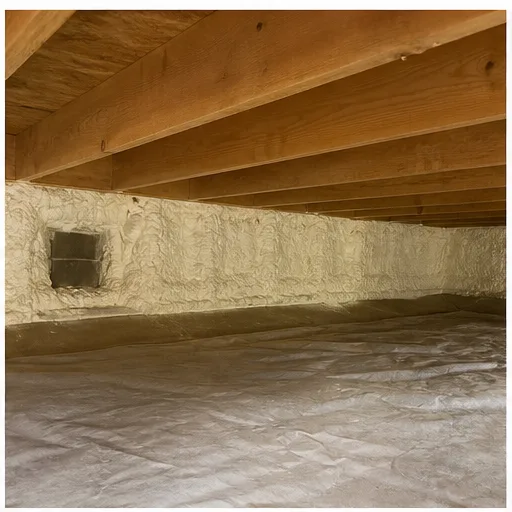
Heber City's elevation and long, cold heating season mean many local projects specify more coverage depth than a milder climate would require, particularly in attics and rim joists where air sealing matters most. Foam type is also a major cost driver: closed-cell foam typically costs more per board foot than open-cell but delivers a higher R-value per inch and better moisture tolerance, which is why it is more common in crawl spaces, rim joists, and metal buildings around Wasatch County. Access also matters more here than in many markets, since a large share of local projects involve detached shops, barns, and cabins with varied foundation types and framing conditions rather than a standard subdivision floor plan.
New construction vs. retrofit pricing
New construction in Heber City, Midway, and Daniel is generally more cost-efficient to insulate because the framing is open and accessible before drywall goes up. Retrofitting an existing home, cabin, or shop often costs more per square foot because of the need to remove old insulation, protect finished surfaces, or open up walls and ceilings to reach the cavity. Knowing whether a project is new construction, a remodel, or a straight retrofit early in the quote process helps a contractor price it accurately.
Barns, shops, and commercial buildings
Detached pole barns, shops, and commercial buildings often have larger, simpler cavities than a house, which can make per-square-foot costs more predictable, but ceiling height, door openings, and whether the building will be fully conditioned or only partially heated all affect the final number. Use the Spray Foam Cost Calculator to organize these details before requesting pricing.
Getting an accurate estimate
The most accurate spray foam estimates come from a combination of clear photos, approximate measurements, and a description of the problem being solved. Vague requests based only on total home square footage tend to produce wide pricing ranges, while detailed requests tied to a specific area, such as an attic, crawl space, or shop, generally get faster and more accurate responses.
Getting started
Reviewing the Spray Foam Cost Calculator before requesting a quote can help organize the project details that most affect Heber City pricing, including square footage, foam type preference, and access notes.