What affects this project
Freeze-thaw cycles, winter inversions, rim-joist leaks, crawl-space moisture, and large unconditioned shops can all change the foam conversation. The contractor needs to know whether the goal is comfort, air sealing, condensation control, sound reduction, code performance, or making a garage, shop, or crawl space more usable.
Details to gather before requesting pricing
Useful details include square footage, framing depth, surface material, existing insulation, access constraints, electrical or mechanical items in the work area, moisture history, photos, and whether other trades are scheduled.
Heber City building notes
Heber City and the surrounding valley keep adding homes, shops, detached garages, rural properties, and remodel projects that need insulation decisions early. That makes clear scheduling, clean prep, and the right foam recommendation more important than a generic insulation quote.
Why closed-cell fits demanding Wasatch County assemblies
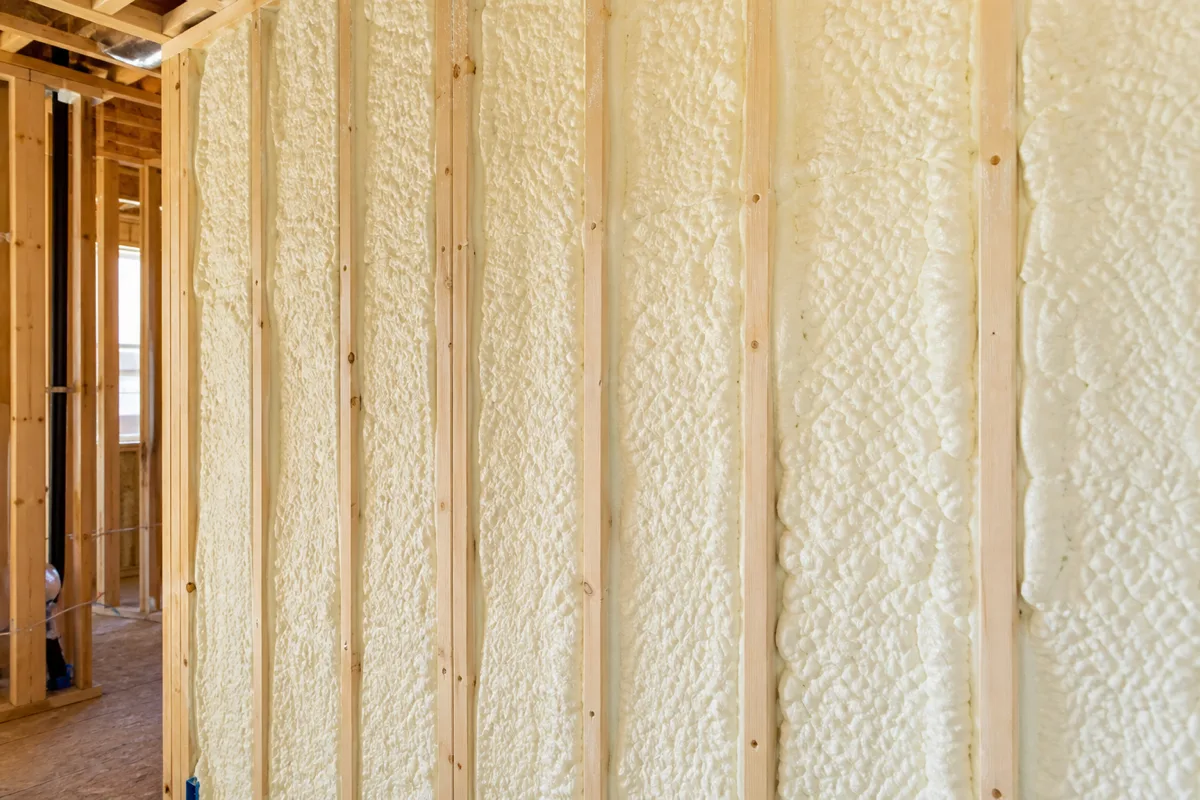
Closed-cell foam's higher R-value per inch and rigid, moisture-resistant structure make it the more common choice for the tougher assemblies found across the Heber Valley: crawl spaces with periodic moisture, rim joists exposed to outside air, and metal buildings that face wide daily temperature swings. Because it also adds structural rigidity to a cavity, it is frequently specified in areas that need to resist wind-driven moisture or occasional standing water, which matters on properties with unpredictable spring runoff near creeks and irrigation ditches around Midway and Charleston.
New construction and detached buildings
Builders working on new homes and shops in Heber City, Midway, and Daniel often specify closed-cell foam in rim joists and crawl spaces regardless of what goes in the rest of the building, simply because that combination of R-value and moisture resistance holds up over time in a cold, high-elevation climate. Detached pole barns and shops on rural Wasatch County parcels also lean on closed-cell foam in wall and roof assemblies where a vapor-tolerant, air-sealing material is needed without a separate vapor barrier.
Cabins and part-time buildings
Closed-cell foam is often preferred for cabins and part-time properties near Jordanelle and Timber Lakes because it does not absorb moisture the way some other insulation materials can, which matters when a building may sit closed up through freeze-thaw cycles for weeks at a time.
Comparing closed-cell to other options
Homeowners and builders often ask whether closed-cell foam is worth the added upfront cost compared with open-cell foam or traditional batt and blown-in insulation. In assemblies where moisture exposure, structural rigidity, or maximum R-value in a limited cavity depth matter most, closed-cell foam tends to be the more durable long-term choice, even though it costs more per board foot. For protected interior walls where those factors are less of a concern, open-cell foam or a different insulation type may make more financial sense. See the Closed Cell vs Open Cell Spray Foam comparison for a closer look at when each option fits.
Planning a closed-cell project
Because closed-cell foam expands less per pass than open-cell foam and is typically applied in specific lift thicknesses, a contractor will usually want to know the framing depth, any wiring or plumbing in the cavity, and whether the area has any history of moisture intrusion before quoting the job. Photos of the space and a description of what problem the foam needs to solve, whether that is heat loss, condensation, or code compliance, help narrow down the right approach before a site visit.
Working with local contractors
Because closed-cell foam requires specific equipment and controlled application conditions, it is typically installed by crews with dedicated spray rigs rather than a general handyman setup. Confirming that a contractor has experience with the specific assembly in question, whether that is a crawl space, rim joist, or metal building interior, is a reasonable question to ask before scheduling a Heber City project.
Combining closed-cell with other insulation types
It is common for a single project to use closed-cell foam in the areas that need it most, such as a rim joist or crawl space, while using a different, less expensive insulation strategy elsewhere in the same building. Discussing budget priorities with a contractor can help identify where closed-cell foam adds the most value for a given project.