Why cabins need a different plan than full-time homes
A cabin or vacation home near Jordanelle Reservoir or up in the Timber Lakes area often sits closed up and unheated, or only partially heated, for stretches of the winter. That changes the insulation conversation from a typical Heber City home: the goal isn't just comfort and lower heating bills, it's also protecting the building itself, its plumbing, and its mechanical systems through repeated freeze-thaw cycles at elevation.
Freeze protection is part of the insulation plan
Pipes, water heaters, and HVAC equipment in a part-time cabin are at real risk during a Heber Valley winter if the building envelope isn't sealed and insulated well enough to hold heat, or if the cabin doesn't have a plan for maintaining a minimum interior temperature while unoccupied. Spray foam's air-sealing properties help a cabin hold whatever heat is being maintained far more effectively than older fiberglass batt insulation, which reduces the risk of frozen and burst pipes during a cold snap.
Roofline and attic considerations at elevation
Many cabins in the Jordanelle and Timber Lakes areas have vaulted ceilings, exposed roofline framing, or finished attic spaces rather than a simple flat attic floor, which changes how insulation needs to be approached compared with a standard Heber City home. Closed-cell or open-cell foam applied directly to the roof deck is a common approach for these assemblies, since it air seals irregular framing and helps manage snow load and ice-related roof issues at the same time.
Seasonal use patterns matter
Describing how a cabin is actually used, whether it's a weekend retreat used year-round, a summer-only property, or a rental that needs to stay comfortable for guests on short notice, helps a contractor recommend the right combination of insulation, ventilation, and any supplemental heating strategy. A cabin that gets heavy holiday-season use has different priorities than one that sits closed from October through May.
New cabin construction vs. older buildings
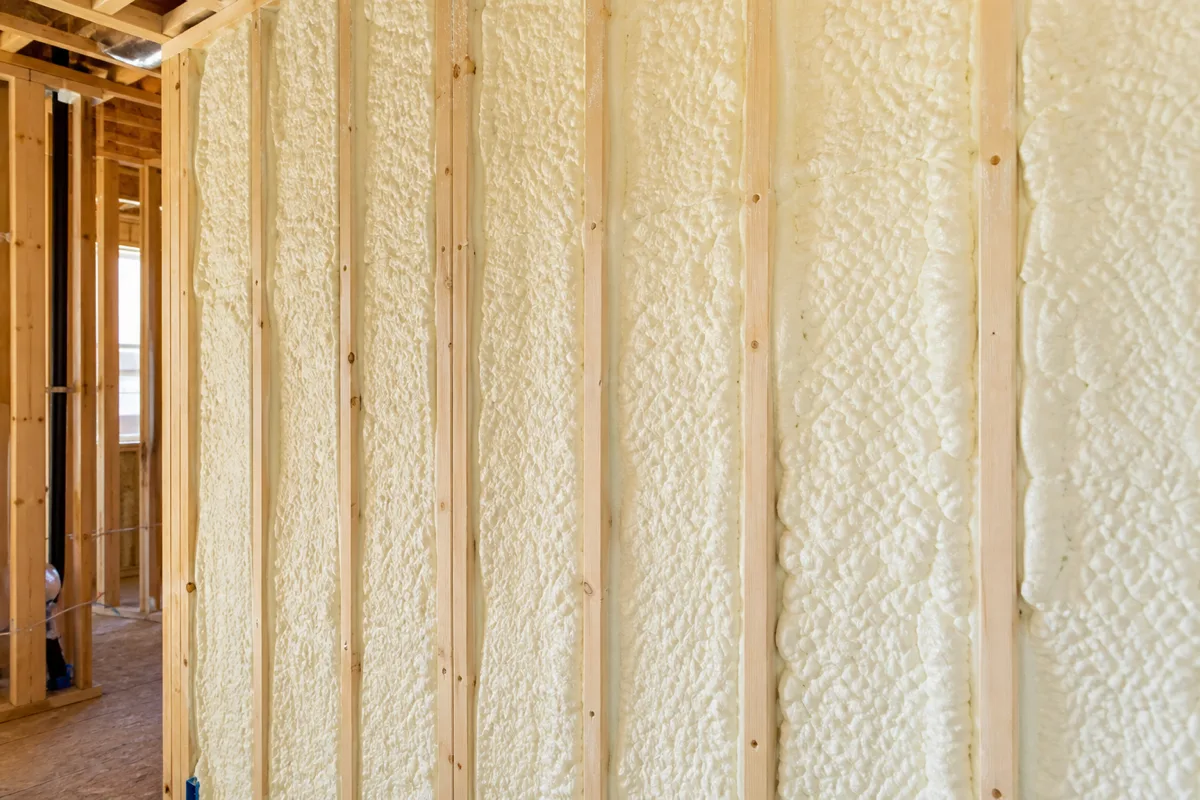
New cabin and vacation-home construction around Jordanelle and the surrounding foothills offers the same open-framing advantage as any new build in Heber City, Midway, or Daniel: foam can go into walls, rooflines, and rim joists before the interior is finished. Older cabins, especially those built decades ago with minimal original insulation, often see a significant comfort and freeze-protection improvement from a retrofit, though access and existing finishes can add complexity to the job.
Frequently asked questions
Does a part-time cabin need less insulation than a full-time home?
Not necessarily. A cabin that sits unheated needs an envelope that can hold heat efficiently whenever it is heated, and one that stays reliably above freezing when left at a minimum temperature, which often calls for as much or more attention to air sealing as a full-time home.
Can spray foam help prevent frozen pipes in a vacation home?
A well-sealed and insulated envelope reduces heat loss, which makes it easier to maintain a safe minimum interior temperature and lowers the risk of frozen pipes during cold stretches, though it should be paired with a heating plan appropriate for how the cabin is used.
Is spray foam a good choice for a vaulted or exposed roofline?
Yes, foam applied to the roof deck is a common approach for cabins with vaulted ceilings or finished attic spaces where a traditional flat attic floor insulation approach doesn't apply. See Attic Insulation for more on roofline and attic strategies.
Should insulation happen before or after a cabin remodel?
If walls or ceilings are already being opened up for a remodel, that is typically the most cost-effective time to add or upgrade insulation before new finishes go back in.
What should I include in a quote request for a cabin?
Note how often the cabin is used, whether it's heated in the off-season, the roofline and framing type, and any past freezing or moisture issues, along with photos of the space if available.