What affects this project
Freeze-thaw cycles, winter inversions, rim-joist leaks, crawl-space moisture, and large unconditioned shops can all change the foam conversation. The contractor needs to know whether the goal is comfort, air sealing, condensation control, sound reduction, code performance, or making a garage, shop, or crawl space more usable.
Details to gather before requesting pricing
Useful details include square footage, framing depth, surface material, existing insulation, access constraints, electrical or mechanical items in the work area, moisture history, photos, and whether other trades are scheduled.
Heber City building notes
Heber City and the surrounding valley keep adding homes, shops, detached garages, rural properties, and remodel projects that need insulation decisions early. That makes clear scheduling, clean prep, and the right foam recommendation more important than a generic insulation quote.
A small area with an outsized impact on comfort
The rim joist, where the floor framing meets the foundation wall, is one of the most commonly overlooked air-leak points in Heber Valley homes. It is often insulated with nothing more than a thin, poorly fitted batt, if anything at all, which leaves a continuous gap for cold outside air to enter the basement or crawl space perimeter. At Heber City's elevation, with long winters and large day-to-night temperature swings, an unsealed rim joist can be a major source of cold floors, drafts, and higher heating bills.
Why spray foam is well suited to rim joists
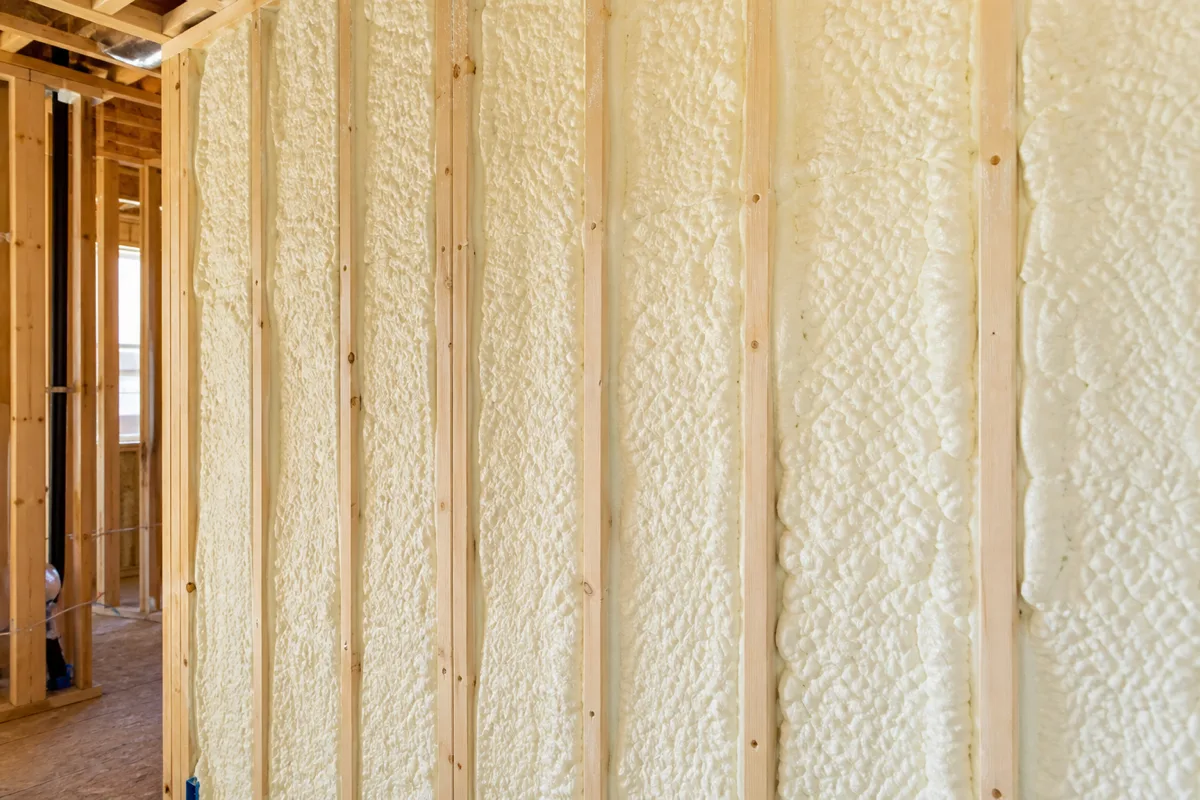
Spray foam expands to fill the irregular gaps around floor joists, sill plates, and foundation walls in a way that batt insulation cannot, creating a continuous air seal in a notoriously hard-to-insulate area. Closed-cell foam is commonly used here because of its higher R-value per inch and better tolerance for the occasional moisture exposure this area can see near grade.
New construction and older valley homes
New construction in Heber City, Midway, and Daniel offers the chance to seal and insulate the rim joist correctly from the start, while many older valley homes have never had this area properly addressed and can see a noticeable comfort improvement once it is corrected.
Rim joists and basement comfort
A cold, drafty basement is frequently traced back to an unsealed rim joist rather than the basement walls themselves. Because the rim joist runs the full perimeter of a home at the foundation line, gaps here can account for a surprising share of a home's total air leakage, and sealing that perimeter often produces a noticeable improvement in basement comfort and reduces the workload on a furnace during a Heber winter.
Pairing rim joist work with other projects
Rim joist insulation is frequently requested alongside crawl-space or basement finishing projects, since the areas are physically adjacent and often assessed together. Mentioning any related work planned for the basement, crawl space, or foundation area in a quote request can help a contractor scope the full project more efficiently instead of treating each area separately.
DIY vs. professional application
While small rim-joist sections are sometimes tackled with off-the-shelf foam kits, professional spray foam application generally provides a more complete and durable air seal across an entire foundation perimeter, particularly in older Heber Valley homes with uneven framing or multiple additions built at different times.
Getting started
A rim-joist quote request is strongest when it notes the home's foundation type, approximate perimeter length, and any known drafty areas or rooms that stay cold, since these details help a contractor confirm scope before a visit.