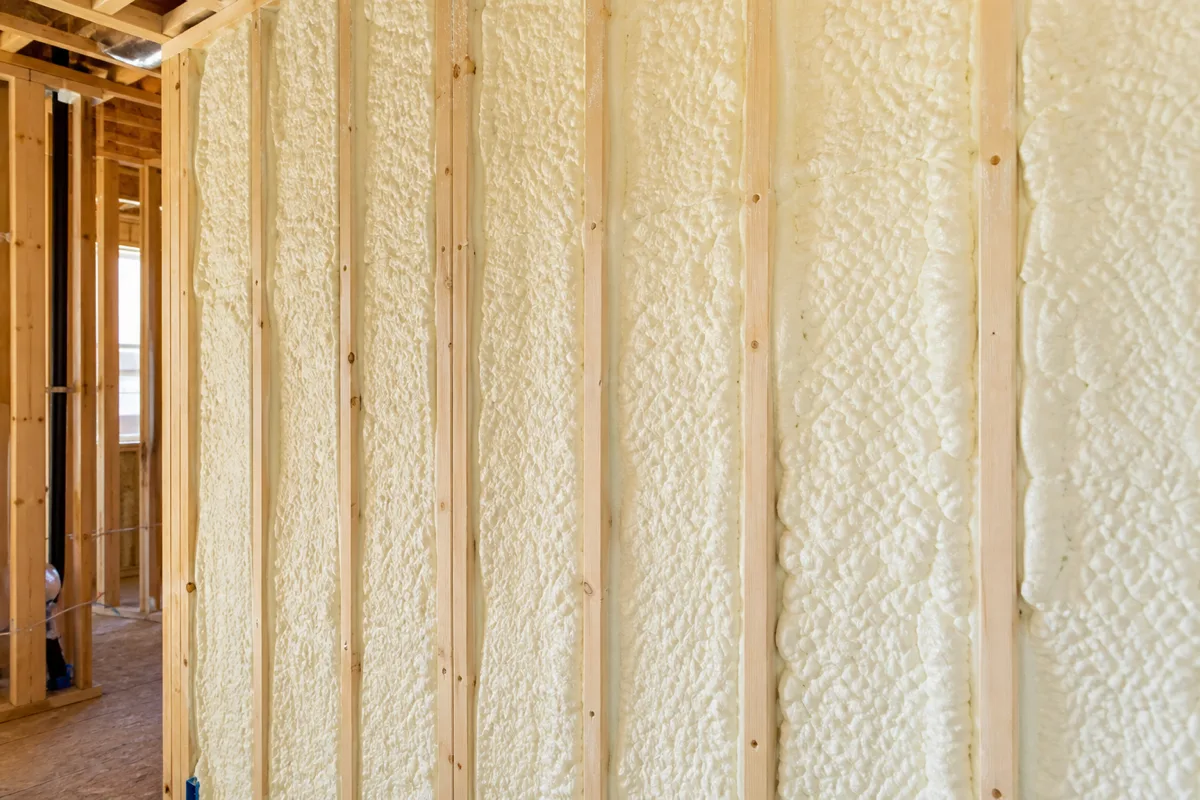
What affects this project
Freeze-thaw cycles, winter inversions, rim-joist leaks, crawl-space moisture, and large unconditioned shops can all change the foam conversation. The contractor needs to know whether the goal is comfort, air sealing, condensation control, sound reduction, code performance, or making a garage, shop, or crawl space more usable.
Details to gather before requesting pricing
Useful details include square footage, framing depth, surface material, existing insulation, access constraints, electrical or mechanical items in the work area, moisture history, photos, and whether other trades are scheduled.
Heber City building notes
Heber City and the surrounding valley keep adding homes, shops, detached garages, rural properties, and remodel projects that need insulation decisions early. That makes clear scheduling, clean prep, and the right foam recommendation more important than a generic insulation quote.
Commercial growth in the Heber Valley
Heber City's downtown core and the commercial corridors around Midway and US-40 have added restaurants, offices, retail tenant spaces, and light-industrial buildings as Wasatch County's population has grown. Tenant improvement projects, ground-up commercial builds, and warehouse or mechanical spaces all have different insulation needs than a typical home, often driven by energy code requirements, equipment heat loads, and tenant comfort rather than just square footage.
Scheduling around business operations
Commercial spray foam work in an occupied building usually has to work around business hours, other trades, and ventilation requirements during and after application, which makes clear scheduling and curing-time information especially important for property managers and business owners. See the Spray Foam Safety and Curing Time page for the kinds of questions worth asking before work begins.
Cold-climate energy performance for commercial buildings
Heber City's elevation and long heating season mean commercial buildings face the same air-sealing and R-value pressures as homes, often at a larger scale. Warehouses, mechanical rooms, and garage bays with high ceilings and large door openings are particularly prone to heat loss, and spray foam is frequently used in these spaces to control both temperature and condensation.
Tenant improvements and property management
Property managers and business owners handling tenant improvements in Heber City commercial buildings often need insulation work coordinated with other trades, permitting timelines, and lease-driven deadlines. A clear scope description, including the type of tenant space, planned finish schedule, and any existing conditions found during demolition, helps a contractor price and schedule the work realistically within those constraints.
Mixed-use and multi-tenant buildings
Many commercial buildings in the growing Heber Valley combine multiple tenant types, such as retail on the ground floor with offices or storage above, and each space can have different insulation and air-sealing needs based on hours of operation, equipment heat loads, and shared wall or ceiling assemblies with neighboring units.
Energy code and inspection considerations
Commercial projects in Wasatch County are subject to energy code requirements that can affect required insulation values, vapor control, and documentation for permitting and inspection. Sharing any known code requirements or architect specifications with a contractor up front can help avoid rework later in the project.
Getting started
A commercial quote request is typically strongest when it includes the building type, square footage, current insulation condition if known, and the general timeline for the project so a contractor can plan around permitting and other trades.